
||| FROM LOVEL PRATT for FRIENDS OF THE SAN JUANS |||
Friends of the San Juans is raising urgent concerns over a dramatic increase in oil tanker traffic in the Salish Sea driven by expanding Canadian tar sands pipeline projects and new proposals to fast-track oil export infrastructure to Canada’s Pacific coast.
Canada is Fast-Tracking a New Tar Sands Crude Oil Pipeline
Canada is advancing plans to expedite permits for major infrastructure projects, including ports, pipelines, and transportation corridors tied to oil exports. Plans to establish a new, 1 million barrel per day (bpd) tar sands crude oil pipeline, in combination with the recent and proposed further expansions of Canada’s existing Trans Mountain Pipeline system could result in more than 956 additional oil tanker transits per year through the Salish Sea. This would significantly elevate the risk of catastrophic oil spills, vessel accidents, underwater noise pollution, and harm to endangered marine wildlife, including the critically endangered Southern Resident killer whales.
The new pipeline may be routed to the Port of Vancouver; adding an estimated 365 oil tankers or at least 730 additional oil tanker transits per year in the Salish Sea.
“This new pipeline proposal ignores the cumulative impacts and risks to endangered species, Sovereign Nation and Treaty-protected resources, and coastal communities and economies on both sides of the border,” Lovel Pratt, Marine Protection and Policy Director of Friends of the San Juans, stated.
More Trans Mountain Pipeline Expansions
In May 2024, the Trans Mountain Pipeline Expansion project was completed, increasing export capacity from 300,000 barrels per day to 890,000 barrels per day. That expansion hasn’t reached capacity; an additional 113 oil tankers will be loaded per year when the terminal is operating at full capacity. Canada is now considering an additional expansion to 1.25 million barrels per day. The expansion proposal includes dredging 25,000 cubic meters in the Burrard Inlet so that oil tankers can be fully loaded. Dredging disturbs contaminated sediments, puts pollutants back into the water column and re-exposes marine habitats to historical contamination, threatening marine life, water quality, and the health of the Salish Sea ecosystem.
The proposed expansion would also increase exports through Trans Mountain’s Puget Sound pipeline, which supplies tar sands crude oil to Washington’s four northern refineries. According to the Washington Department of Ecology, the pipeline already poses serious environmental risks to watersheds and marine ecosystems in Washington state as it crosses the Nooksack River (twice), the Samish River, Swinomish Channel, and numerous creeks flowing into Padilla Bay.
Threats to Southern Resident Orcas
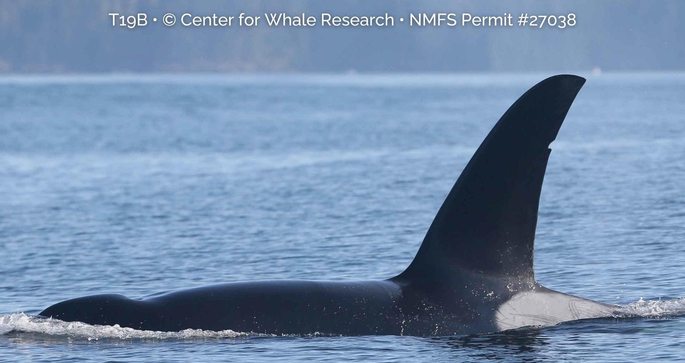
The increase in oil tanker traffic is especially alarming for the critically endangered Southern Resident killer whales, whose population currently numbers just 74 individuals. Additional tanker activity would intensify underwater noise and increase the risk of accidents and oil spills in the Southern Residents’ critical habitat in the Salish Sea, further threatening the already dwindling population.
A Major Tar Sands Oil Spill Would Be Catastrophic
Tar sands crude oil—also called diluted bitumen or “dilbit”—poses unique dangers if spilled. According to the U.S. Coast Guard, diluted bitumen spills present major response uncertainties due to the behavior of bitumen and the toxic volatile chemicals it is diluted with. A dilbit spill in the Salish Sea could cause economic, cultural, and ecological losses that would extend across generations. The repeated re-suspension of submerged and sunken oil could re-expose ecosystems over time, and oil residues can remain in sediments, shoreline, and benthic habitats for years to decades, continually releasing toxins.
Friends’ Longstanding Work to Protect the Salish Sea
For more than a decade, Friends has educated the public, mobilized community members, coordinated with elected officials, and joined regional organizations in opposing the project and advocating for stronger protections for the Salish Sea.
“The Salish Sea is one interconnected ecosystem,” Eva Schulte, Executive Director of Friends of the San Juans, said. “Protecting it requires standing up to projects that would increase vessel traffic, underwater noise and disturbance, accident and oil spill risk, intensify climate pollution, and endanger the wildlife and communities that depend on this inland sea.”
More Information

**If you are reading theOrcasonian for free, thank your fellow islanders. If you would like to support theOrcasonian CLICK HERE to set your modestly-priced, voluntary subscription. Otherwise, no worries; we’re happy to share with you.**






If you really want too help the whales stop the tours that harass them from day break to dark 7days a week!!!
Agree that increased tanker traffic would marginally increase the risk of an oil spill, but if tankers now have double bottoms (most I believe do) and have tug escorts should they lose power until they reach the open Pacific, which most if not all appear to do, the odds are minimal of any significant catastrophe, and emergency tugs are on call.
Not aware of any Southern Resident whale being done in by an oil spill, or even any significant damage to the environment. Ship possibly could collide or have a fire aboard, but that too is extremely rare. And of course, a whale strike is possible, but whale locations are now pretty well known and broadcast to the marine operators.
It’s international waters. Not sure U.S. congressional persons should do more than ensure all reasonable safety practices are in place and of are strictly followed.
Increasing the transport of dilbit (diluted bitumen) from 300,000 to 1.25 million barrels per day is more than “marginally” increasing the risk of an oil spill, Bob. That’s over a 400 percent increase. Even if you use 890,000 as your baseline, it’s a 40% increase, hardly “marginal.” And we’re talking dilbiit here, which sinks to the bottom and is almost impossible to remove, not a floating oil spill as happens with the usual gunk. And the increased number of oil tankers involved will inevitably increase the noise encountered by the orcas proportionally — as well as their risks of ship strikes. As Bill Clinton famously said, “It’s just arithmetic!”
Oil tanker increase would be in the range of one additional tanker every three days at full pipeline capacity.
Orcas are found in all oceans and most seas. They tolerate more ship traffic in some parts of the world than what we will likely ever see in the Salish Sea.
Unless Trump and Republicans make Canada a U.S. State, my best guess is the pipeline will be expanded after the usual few years of lawsuits and studies.
In 25 or so years, will see if there are any environmental damages caused by oil tanker traffic. If anything moves, there is always a possibility something bad will happen, but with proper oversight and regulations, I’m sticking with to a marginal risk to the increase given the increased pipeline flows as now being considered.
“They tolerate more ship traffic in some parts of the world?” “In 25 or so years, we’ll see if there are any environmental damages caused by tanker traffic.”
Which side of the extreme pendulum swing do you represent Robert… the far right, or the far left? It is not only the Orcas that will suffer from this. There is nothing good that will come from increased tanker traffic through our waters that is designed to support an increase in the burning of fossil fuels on a planet that is already suffering from the stresses of ecological overshoot due to the excesses of the capitalistic demands of an overpopulated planet.
Perhaps you can pull out some fictitious information from the Chevron / Mobil science squad (as you’re sometimes known to do) in order to back your imaginary predictions.
Robert Dashiell, glad you don’t write environmental impact reports (although some of them are paid to be about as loosely speculative as your statements about what might not happen). The Salish Sea is a much more enclosed body of water than “some parts of the world,” with more tightly constrained shipping routes, critically endangered species such as resident Orcas and their food supply, Chinook salmon, and much more shoreline. Not aware of “any significant damage to the environment” by an oil spill?! https://aaenvironment.com/the-10-worst-oil-spills-in-history-and-their-impact/ Salish Sea residents on both sides of the border are ill-prepared to deal with a major spill–and that would be after the fact. What’s needed is real environmental assessment, both of the resource vulnerabilities and statistical risks of impacts.
I’m thankful that a few groups like the Friends of the San Juans are keeping a watchful eye on these developments and warning us BEFORE an incident happens.