||| FROMM STEVE NEVEY for WASHINGTON FERRIES |||
A message from Steve
Earlier this week, my deputy, John Vezina, and I joined Washington State Ferries’ department heads in Mukilteo for our annual two-day strategic planning session. We hold this meeting each year around this time, and I think the timing is particularly valuable. We’re coming out of another busy summer sailing season, preparing for the year ahead, and approaching a new legislative session. It’s a good opportunity to reflect on what we’ve accomplished, consider what we’ve learned, and take a fresh look at our priorities.
Most of our time as leaders is spent dealing with the immediate needs of our ferry system. Whether it’s keeping vessels operating, managing our workforce, responding to unexpected challenges, or making decisions about how to use our limited resources, there’s rarely a shortage of things demanding our attention. But it’s equally important that we make time to look beyond the day-to-day and consider where we’re heading.

From left, Director of External Relations Jenna Forty; Director of Quality, Health, Safety & Environment and Designated Person Ashore Kevin Bartoy; Director of Finance & Administration Hillary Badger; Director of Terminal Engineering Nicole McIntosh; WSDOT Deputy Secretary Steve Nevey, Assistant Secretary John Vezina; Director of Mariner Operations Erik Nagle; Director of Vessel Engineering & Maintenance Forrest Nichols; WSDOT Deputy HR Director for WSF Christian Afful, System Electrification Program Administrator David Sowers; and WSDOT Technology Services Division Deputy Director for WSF Jacob Hiatt.
Over the two days, we took time to review our strategic plan, assess the progress we’ve made, and consider where we may need to change course. Our discussions focused on the challenges and opportunities ahead, including improving reliability, rebuilding our aging fleet, developing our workforce, and making the best possible use of the resources available to us. One of the things I’ve learned is that having a strategic plan is only useful if it helps guide the decisions we make. Our priorities need to be clear, realistic, and reflected in how we spend our time and resources. And as circumstances change, we need to be willing to revisit those priorities and make adjustments.
This is particularly important given the financial challenges facing our state. We know there will be difficult choices ahead, and we have a responsibility to be thoughtful about where we focus our efforts and how we use the resources entrusted to us. Two days of planning won’t solve all the challenges facing Washington State Ferries. But making time for these conversations helps ensure we’re working toward the same goals and making decisions with a shared understanding of what matters most. Ultimately, the value of this work will be measured by what we do differently as a result, and the improvements our customers and employees experience.
|
|
Ferry leaders gather in Seattle to share ideas and experiences
Seattle once again hosted Marine Log’s annual ferries conference over the past two days. Maritime professionals from across the country came to our region to learn how we operate the nation’s largest ferry system. FERRIES 2026 was a great chance to exchange ideas and lessons learned. Thank you to our featured speakers – Company Security Officer/Emergency Management Coordinator Chris Catalanotto, IT Operations Manager Kyle Ilk, Director of Marine Operations Erik Nagle, and System Electrification Program Administrator David Sowers – for sharing their knowledge and experience. The conference wrapped up with a tour of Wenatchee, our first hybrid-electric ferry. Siemens Energy hosted the tour. The company built the battery and electronic systems aboard Wenatchee and will build our shoreside charging system.

Director of External Relations Jenna Forty, Director of Vessel Engineering & Maintenance Forrest Nichols, Major Construction Communications Manager Kurt Workman, and System Electrification Program Administrator David Sowers lead a tour of Wenatchee for roughly 50 conference attendees. They got a firsthand look at the technology helping shape the future of the ferry industry.
|
|
Learn about Hidden Disabilities Sunflower program at Dec. 3 event
We’re teaming up with regional transportation partners to make travel more welcoming and accessible for people with disabilities that aren’t always visible. Join us at our Seattle terminal from 3-6 p.m. Thursday, Dec. 3, to learn about the Hidden Disabilities Sunflower program. We’re hosting this event with the Port of Seattle and Paine Field to highlight how the program helps transportation providers better support travelers who may need extra time, understanding, or assistance. Wearing a Sunflower lanyard is a simple, voluntary way for customers to let our employees know that they have a non-apparent disability without having to share personal details.

We’re the first ferry system in the United States to join the Sunflower program. Customers can pick up a free lanyard at our Colman Dock information booth. It’s open on the upper level near the Marion Street pedestrian bridge from 9 a.m. to 7 p.m. daily.
|
|
Vehicle restrictions at Orcas Island terminal | Update from County Council
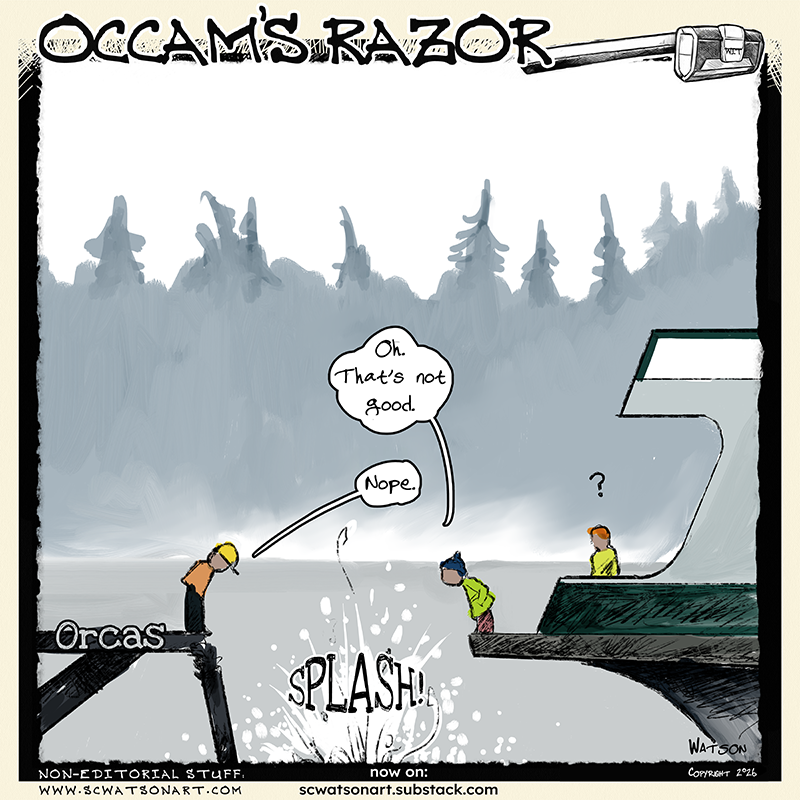
We’ve put vehicle restrictions in place at our Orcas Island terminal after bridge engineers found cracks in steel supports under the transfer span during a recent inspection. The inspection did what it was designed to do by identifying this potential safety concern early so we could address it before it became more serious. For now, only standard vehicles 22 feet long and 8,000 pounds or less can use the bridge. Drivers must also travel no faster than 5 mph and stay on the east side of the transfer span when loading and unloading. We know these restrictions are affecting travelers and Orcas Island residents, and we appreciate everyone’s patience as we work to protect the structure. Repair work is expected to take up to two weeks. We’re exploring ways to shorten this timeline and allow larger vehicles to cross sooner. Contractor crews are using bolted connections and steel plates to speed up repairs. You can find more information and the latest updates in our recent blog post.

During a routine inspection using an under-bridge inspection truck, engineers found fatigue cracks in two steel support beams, called stringers, beneath one of the wheel paths on the transfer span. The transfer span is the movable section of the terminal bridge that raises and lowers to connect with a ferry, allowing vehicles to drive on and off.
|
|
Sailing stats for week of Nov. 2-8
For the week of Nov. 2-8, we completed 97.8% of our 2,850 scheduled sailings. This figure is separate from on-time performance. Of the 73 cancellations, 29 were due to crewing, 13 because of other miscellaneous reasons, 12 for vessel-related issues, 10 due to weather, eight because of tidal currents, and one for and emergency.
For comparison, during a similar week last year (Nov. 3-9, 2025), we completed 98.1% of our 2,850 scheduled sailings. Of the 57 cancellations that week, 21 were due to tidal currents, 16 because of other miscellaneous reasons, nine for vessel-related issues, five due to schedule resets (when a boat is so far behind schedule, we cancel a sailing to get it back on schedule, providing predictability for customers), four because of crewing, and two for emergencies.
|
|
Customer kudos
“Mary (N., ticket seller/attendant) at the Seattle toll booth every weekday morning. She makes my days better with a cheerful attitude and kind help when needed.”
-Seattle/Bainbridge route customer

**If you are reading theOrcasonian for free, thank your fellow islanders. If you would like to support theOrcasonian CLICK HERE to set your modestly-priced, voluntary subscription. Otherwise, no worries; we’re happy to share with you.**

Leave A Comment