||| FROM MSN.COM |||
A comprehensive, high-tech satellite map exposed the daily dangers whales face — and they’re caused by humans.
What’s happening?
With satellites, photo identification, and indigenous knowledge, over 50 research institutions around the world banded together to create whale migration maps. Founded in part by the World Wildlife Fund, BlueCorridors.org tracks whales’ movements. The interactive global map pinpoints the issues specific whale species face around the world, from oil drilling to noise pollution.
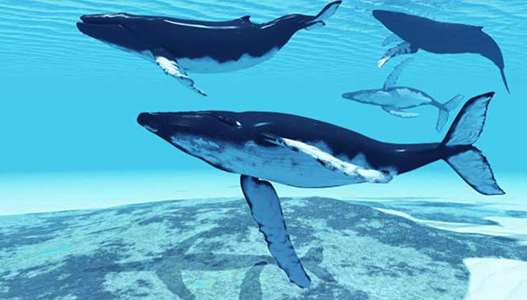
Chris Johnson, a leader in the WWF’s Protecting Whales and Dolphins Initiative, spoke with NewsCop about the challenges their project revealed. Speaking specifically of Australia’s east coast, he said, “Ship strikes, entanglement in fishing gear and shark nets are a growing concern … especially during humpback whale migration season.”
He added that these obstacles can sometimes be fatal. The warming climate is also a big factor. He noted that the whales’ prey populations have shifted, changing their regular behavior.
Why do whale migration obstacles matter?
Many whale species migrate to feed and/or mate. If their migration patterns are disrupted, it can significantly deplete their populations.
The fewer whales there are, the worse news that spells for humans. According to WWF, whales are crucial to maintaining regular atmospheric carbon levels, capturing the same amount of carbon as thousands of trees. Phytoplankton, which capture carbon and produce oxygen, feed off their fecal plumes; they also take carbon out of the atmosphere when they sink to the bottom of the ocean after death, storing it for hundreds of years.

**If you are reading theOrcasonian for free, thank your fellow islanders. If you would like to support theOrcasonian CLICK HERE to set your modestly-priced, voluntary subscription. Otherwise, no worries; we’re happy to share with you.**